Wedding DJ Setup Requirements in Croatia: Power, Access, Space, and Weather Backups
Plan Croatia wedding DJ setup requirements including power, load-in access, setup space, old-town venues, outdoor cover, cables, and weather backups.
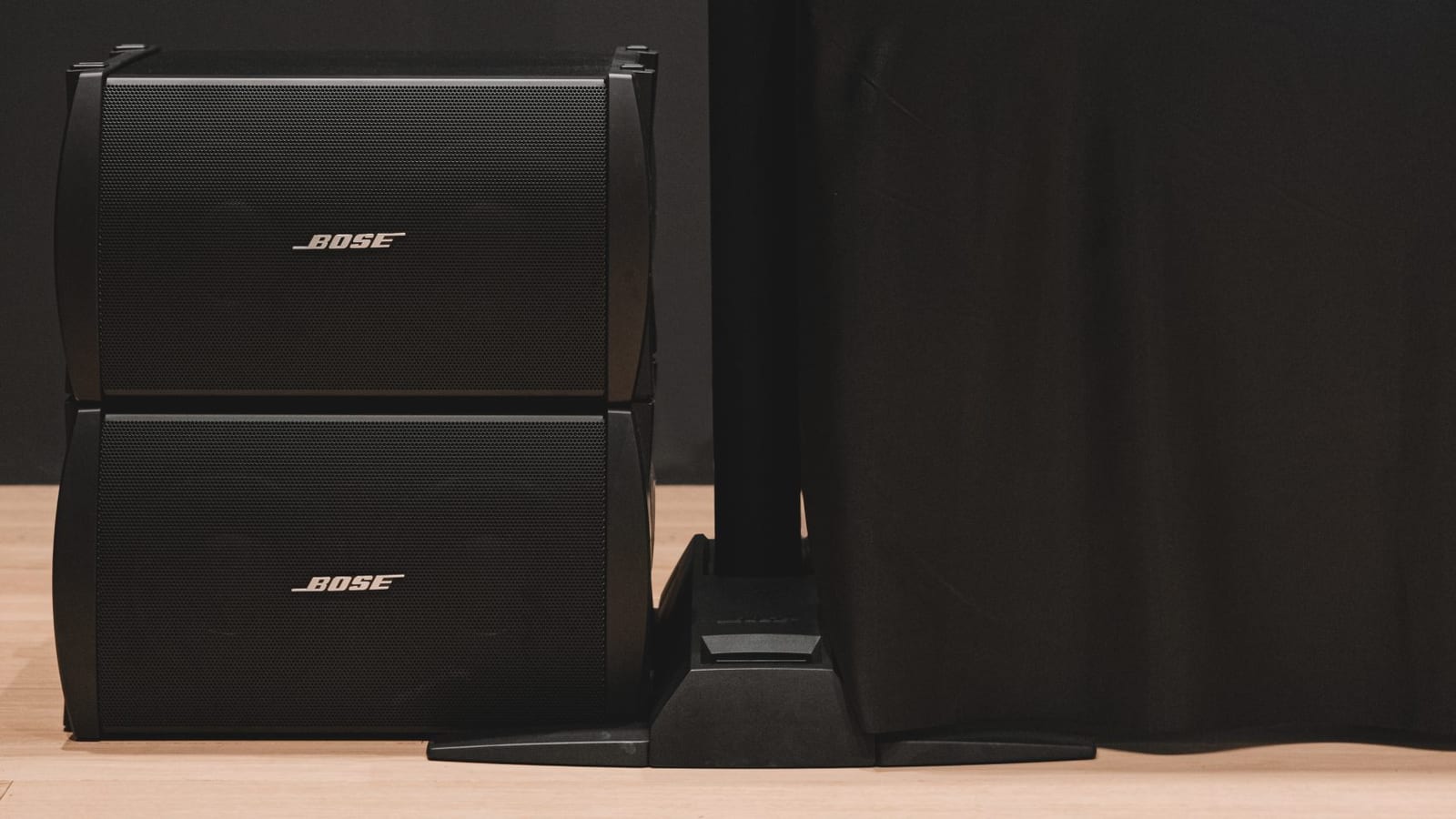
A wedding DJ setup is not only speakers and music. It depends on power, access, setup space, weather protection, safe cable routes, venue rules, and enough time to test everything before guests arrive. In Croatia, those details can change quickly from one venue to another.
A sea-view terrace, old-town courtyard, private villa, island venue, hotel ballroom, restaurant garden, and beach club can all need different setup plans. The earlier those requirements are confirmed, the calmer the wedding day feels.
Who should join the technical setup confirmation?
Before the final floor plan is locked, schedule one practical setup confirmation with the planner or couple, venue manager, DJ, catering lead, lighting supplier, live musicians, and photo-video team. The goal is to agree on power, access, furniture layout, cable routes, speaker positions, microphone needs, lighting positions, supplier arrival times, and who gives timing cues.
This is also the moment to confirm venue sound limits, weather cover, indoor backup timing, curfew, and whether any equipment must move between ceremony, dinner, and party areas. A short technical alignment call can prevent long wedding-day delays, especially at Croatian venues with terraces, stairs, ferry schedules, old-town access, or outdoor sound rules.
What power does a wedding DJ need in Croatia?
The DJ needs stable power near each setup area. That may include ceremony, cocktails, dinner, speeches, and the dance floor. Ask the venue where the nearest power points are, whether they are dedicated circuits, and whether extension runs are safe.
Avoid sharing one overloaded socket with catering, lighting, coffee machines, heaters, or kitchen equipment. Sound systems, subwoofers, lighting, and live-musician equipment should have a clear and reliable power plan.
Why is the load-in route important?
Load-in is often the hidden challenge. In Croatia, venues can include narrow old-town streets, stone steps, pedestrian zones, gravel paths, ferry arrivals, restricted parking, hotel service corridors, or villa terraces far from the road.
Tell the DJ where the vehicle can stop, how far equipment must be carried, whether there are stairs, and whether a trolley can roll the full distance. If a venue requires timed access or a permit, confirm it before the wedding week.
How much setup space does a wedding DJ need?
The DJ setup needs enough room for the booth or table, controller or mixer, speakers, stands, subwoofers if used, lighting, cables, and safe movement. A beautiful corner may look perfect in photos but still be too small or too exposed for equipment.
For a dance floor, speaker position matters. The sound should cover the guests without blocking service paths, exits, or the couple’s key photo angles. If live musicians join the DJ, they need space too.
Plan each sound zone
Many destination weddings in Croatia use more than one area: ceremony by the sea, cocktails on a terrace, dinner in a courtyard, and party indoors or under cover. Each zone needs a decision.
Will one system move between areas? Will separate systems be used? Is there enough time to move equipment safely between ceremony and dinner? If guests are already in the space, moving a full setup can become awkward. Sometimes a small dedicated ceremony system is the cleanest solution.
How should outdoor DJ equipment be protected?
Outdoor weddings need shade, cover, and weather awareness. Direct sun, sea air, wind, humidity, and sudden rain can all affect equipment and safety.
If the DJ is outdoors, confirm a covered position or a fast backup plan. A small decorative umbrella is not always enough for electronics, speakers, cables, and the DJ. For exposed terraces and beach venues, proper cover should be part of the venue plan, not a last-minute improvisation.
Keep cables safe and tidy
Cable routes should avoid guest walkways whenever possible. If a cable must cross a path, it should be covered and visible. This matters during guest arrival, dinner service, dancing, and late-night movement between indoor and outdoor areas.
Ask where power and speakers will be placed before the furniture plan is final. A safe cable route is much easier to design before tables, bars, photo booths, and lounge furniture are installed.
Coordinate with lighting and live musicians
Lighting, sax, violin, vocals, percussion, band equipment, photo booths, and venue ambience can all share the same physical space. They may also compete for power.
The DJ should know what other suppliers are bringing, where they will stand, and what they need from the sound system. If a live musician plays with the DJ, confirm whether they plug into the DJ mixer, use their own speaker, or need a microphone channel.
Respect venue rules and neighbours
Setup requirements are not only technical. Venues may have rules about speaker direction, subwoofers, maximum volume, outdoor curfews, fire exits, cable routes, and setup timing.
Old-town venues, heritage locations, villas, and coastal terraces can be especially sensitive. A good setup plan keeps the dance floor strong while respecting the site and avoiding avoidable interruptions.
Allow enough sound-check time
The DJ needs time to unload, set up, test power, check microphones, test ceremony cues, balance speakers, and coordinate with the planner or venue. If the schedule is tight, build in extra margin.
Sound check should happen before guests enter the main area whenever possible. Testing microphones during dinner or troubleshooting power after speeches have started is stressful for everyone.
What should you confirm before the wedding?
Before the wedding, confirm:
- Exact DJ setup location for each part of the day
- Reliable power points and circuit details
- Vehicle access, parking, load-in route, stairs, and distance
- Setup time, sound-check time, and venue access windows
- Table or booth needs, setup footprint, and speaker positions
- Outdoor shade, rain cover, and wind exposure
- Cable routes and safety covers
- Lighting, live musician, and photo booth power needs
- Venue rules, sound limits, and curfew timing
- Indoor backup location and changeover plan
Related planning guides:
- Ceremony audio for destination weddings in Croatia
- Destination wedding sound limits in Croatia
- Wedding DJ packages in Croatia
- How to brief your wedding DJ for a Croatia destination wedding
If you are planning a 2026 or 2027 wedding in Croatia, DJ Matthew Bee can help review the venue setup requirements before the day so power, access, sound, lighting, microphones, and weather backups are handled calmly and professionally.